Which Ingredients Should I Look for in Lip Care Products?

Choosing the right lip care products can significantly enhance the health and appearance of your lips. With so many options available in the market, it’s important to know which ingredients to seek out for the best results. This guide will help you navigate through the essential ingredients that can make a real difference in your lip care routine. Close-up of Painting Woman Lips with Lipstick

Moisturizing Ingredients to Look For

Moisturizing ingredients in lip care products are crucial for maintaining soft and supple lips. Look for components like shea butter, which is known for its rich, creamy texture that nourishes and hydrates.

Another powerful ingredient to consider is hyaluronic acid. This ingredient is a humectant, meaning it draws moisture from the environment into your lips, making them plump and hydrated. If you’re after a luscious feel, products containing this acid are a must.

Moreover, coconut oil not only moisturizes but also provides a protective layer. It’s lightweight and easily absorbed, which helps lock in moisture without feeling heavy. For those who prefer natural options, this is a fantastic choice.

Finally, look out for glycerin in your products. It’s a common moisturizing agent that helps prevent dryness by sealing moisture into the skin. Clearly, choosing the right moisturizing ingredients makes all the difference in achieving smooth lips.

Protective Agents in Lip Care

Protection is equally important in lip care. Beeswax is a natural wax that not only soothes but also forms a barrier against harsh elements. This barrier helps to prevent moisture loss, particularly in cold and windy conditions.

For those concerned about sun exposure, products with SPF are vital. Ingredients like Zinc oxide provide a physical barrier against harmful UV rays, helping you safeguard your lips while enjoying sunny days.

Additionally, consider products containing vitamin E. This ingredient is a powerful antioxidant that helps to protect lips from environmental damage. Not only does it keep your lips safe, but it also encourages healing.

Lastly, plant extracts, like green tea or chamomile, offer soothing properties and additional protection. Incorporating these elements into your lip care routine can significantly enhance your overall lip health.

Natural Oils and Butters Benefits

Natural oils and butters are fantastic choices for lip care, providing nourishment without harsh chemicals. Almond oil is a wonderful option; it’s lightweight yet deeply moisturizing, perfect for daily use.

Consider adding avocado oil to your routine. Rich in vitamins and fatty acids, it’s known for its penetrating properties and can help heal cracked or chapped lips effectively. You’ll notice a difference in no time!

Similarly, jojoba oil closely resembles the natural oils of your skin, making it an exceptional moisturizer. Its unique structure allows it to penetrate deeply, providing long-lasting hydration.

Not to forget, butters like mango butter and cocoa butter provide a thick, luxurious feel. They not only hydrate but also add a wonderful softness, creating the perfect environment for your lips to thrive.

Avoiding Harmful Ingredients

While looking for beneficial ingredients, it’s equally crucial to avoid harmful ones. Many lip care products contain parabens as preservatives, which have raised concerns about skin irritation and potential health risks.

Additionally, steer clear of synthetic fragrances. They can cause allergic reactions and irritation for many people. Opting for fragrance-free options or those with natural scents can keep your lips happy.

Furthermore, watch out for camphor and menthol, which might provide an initial cooling effect but can ultimately lead to dryness and irritation over time. They may be damaging, making it essential to choose wisely.

Lastly, avoid products that contain heavy metals or toxic substances. Always check labels carefully to ensure you are using safe, responsible lip care products that maintain your lip health.

Final Thoughts on Lip Care Ingredients

Understanding the key ingredients to look for in lip care products can help you make informed choices and keep your lips healthy and moisturized. Remember to check product labels for these beneficial components and enjoy soft, hydrated lips year-round!

    Unlock Radiant Skin with Topical Vitamin C Products

    Introduction to Vitamin C in Skincare

    Vitamin C, celebrated as a potent antioxidant, is a cornerstone of modern skincare. Its roots can be traced back centuries, where it was primarily used in natural remedies. Today, it’s a go-to ingredient for those seeking brighter, healthier skin. Recent scientific breakthroughs have spotlighted this ingredient for its powerful ability to neutralize free radicals, reduce signs of aging, and boost skin health. Moreover, its role in collagen synthesis makes it indispensable for maintaining skin elasticity and firmness.

    Understanding the Science Behind Its Effectiveness

    Ascorbic acid, a form of Vitamin C, is highly effective in enhancing skin health. It neutralizes free radicals, which are unstable molecules caused by UV radiation and pollution. These harmful entities can cause oxidative stress and cellular damage, leading to premature aging and skin dullness. By protecting the skin from oxidative damage, this ingredient helps maintain a youthful appearance.

    It also plays a vital role in collagen production. Collagen is a structural protein that keeps skin firm and elastic. As we age, natural collagen levels decline, leading to wrinkles and sagging. Vitamin C boosts collagen synthesis, reducing the appearance of fine lines and improving skin texture. Dermatological studies confirm that topical application of this nutrient can significantly reduce wrinkles and improve skin hydration. Additionally, it helps lighten hyperpigmentation and dark spots, resulting in an even skin tone.

    Different Forms of Topical Products

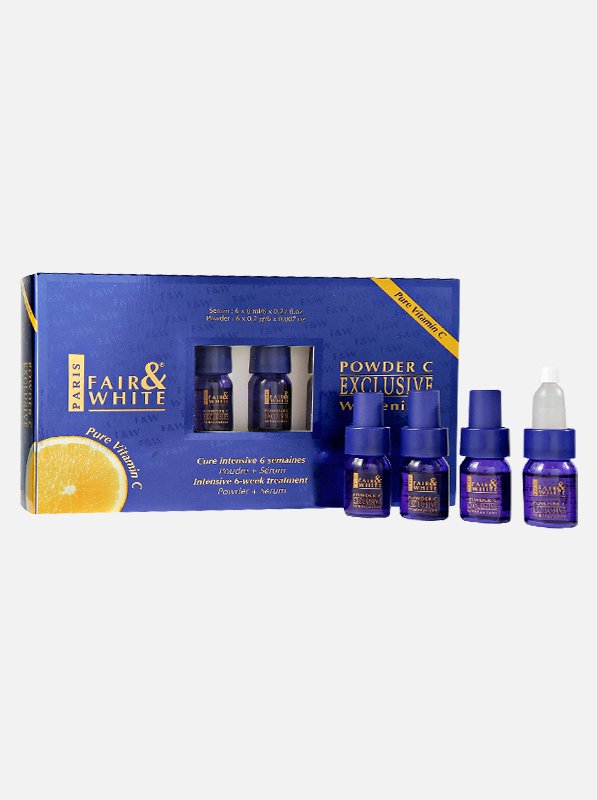
    Topical products containing this nutrient come in various forms, each offering unique benefits to cater to different skin needs. Among the most common are serums, creams, and powders.

    Serums: Serums are popular for their quick absorption and high concentration, making them effective for brightening skin and reducing fine lines. However, they can sometimes cause irritation, especially for sensitive skin. Starting with a lower concentration and gradually increasing it can help build tolerance.

    Creams: Creams combine this nutrient with other nourishing ingredients, offering hydration alongside antioxidant protection. They are particularly beneficial for those with dry or sensitive skin. However, creams often have a lower concentration, so results may take longer to appear.

    Powders: Powders offer versatility and maintain potency longer. They can be mixed with other skincare products, allowing customization based on specific needs. However, they require an extra step in your routine, as they must be mixed with another product before application.

    Benefits of Incorporating It into Your Skincare Routine

    Using products with this nutrient in your skincare routine can lead to brighter skin, reduced hyperpigmentation, and protection against environmental damage. Its antioxidant properties shield the skin from harmful UV rays and pollution, while its role in collagen production helps maintain skin firmness and elasticity. Consistent use of these products can significantly improve skin texture, reduce fine lines, and promote a radiant, youthful complexion.

    Choosing the Right Product

    Selecting the right product is crucial for achieving desired results. Consider your skin type and concerns when choosing a product. Sensitive skin may benefit from lower concentrations (around 5%), while more resilient skin types can handle concentrations up to 20%. Look for stabilized derivatives, such as Sodium Ascorbyl Phosphate, to enhance product longevity and effectiveness. Pairing this nutrient with complementary ingredients like Vitamin E or hyaluronic acid can further boost its benefits.

    Integrating It into Your Daily Routine

    For maximum benefits, apply these products in the morning after cleansing. Follow with a moisturizer and sunscreen to protect your skin throughout the day. When layering with other active ingredients, use it in the morning and other treatments, like retinol, at night to avoid irritation. Store your products in a cool, dark place to maintain potency, and start with lower concentrations to build tolerance gradually.

    Success Stories and Results

    Real-life experiences with these products showcase their effectiveness. Users have reported significant improvements in skin tone, brightness, and texture. For example, one user noticed a substantial reduction in dark spots after three months of consistent use, while another saw improved skin resilience and reduced fine lines. Dermatologists also recommend these products for their proven benefits in protecting and rejuvenating the skin.

    Future Trends in Skincare

    As the popularity of products containing this nutrient continues to grow, future advancements are likely to focus on more stable and potent formulations. Innovations such as encapsulated forms and advanced delivery systems are being developed to enhance absorption and efficacy. The combination of this ingredient with other synergistic components will likely continue to evolve, offering more comprehensive skincare solutions.

      Innovations in Skincare: New Technologies and Products to Watch

      pexels-photo-4586728-4586728.jpg

      Introduction to Skincare Innovations

      The importance of skincare in maintaining overall health and well-being cannot be overstated. As our understanding of skin biology deepens, the skincare industry is witnessing an unprecedented wave of technological advancements. These innovations are not only enhancing the efficacy of skincare products but are also revolutionizing how consumers approach their skincare routines. The increasing consumer demand for effective, personalized skincare solutions is driving the industry to explore and adopt cutting-edge technologies.

      The Rise of Personalized Skincare

      In recent years, personalized skincare has emerged as a significant trend, driven by the desire for products that cater specifically to an individual’s unique skin type and concerns. This approach has been made possible through advancements in data analytics, genetic testing, and AI-driven diagnostics, which together enable the creation of highly customized skincare regimens.

      These diagnostics can provide precise recommendations for skincare routines and products, ensuring that each individual’s needs are met with scientific accuracy.

      Smart Skincare Devices

      The skincare industry has witnessed significant advancements with the introduction of smart skincare devices, leveraging cutting-edge technology to enhance daily skincare routines. Among the most notable innovations are facial cleansing brushes equipped with Internet of Things (IoT) capabilities.

      Advancements in Skincare Ingredients

      The skincare industry has witnessed remarkable advancements in recent years, particularly in the development of innovative ingredients that promise improved efficacy and safety. Among these breakthroughs, peptides, stem cell extracts, and probiotics have garnered significant attention for their transformative benefits on skin health. These components, whether naturally derived or bio-engineered, are revolutionizing how we care for our skin.


      The Role of Artificial Intelligence in Skincare

      Artificial Intelligence (AI) is revolutionizing the skincare industry by providing sophisticated tools for product development and enhancing the user experience. AI-powered apps and platforms are now capable of assessing an individual’s skin condition with remarkable accuracy, making personalized skincare more accessible than ever before.

      One of the significant advancements in AI for skincare is the development of machine learning algorithms that analyze various skin types and conditions. These algorithms can process vast amounts of data, including user inputs and clinical studies, to deliver precise skincare recommendations. For example, AI-driven platforms like SkinVision and Revieve offer users the ability to scan their skin using a smartphone camera. The AI then evaluates the skin for issues such as acne, wrinkles, and hyperpigmentation, providing tailored product suggestions based on the analysis.

      Sustainable and Eco-Friendly Skincare Innovations

      The skincare industry is experiencing a significant shift towards sustainability, fueled by an increasing consumer demand for eco-friendly products. This movement is not only transforming product formulations but also revolutionizing packaging and manufacturing processes to minimize environmental impact.  These efforts help to significantly decrease the environmental footprint of skincare products.

      Environmentally-conscious manufacturing processes are also at the forefront of this sustainability wave. Companies are adopting practices that reduce water consumption, limit carbon emissions, and utilize renewable energy sources. For instance, some brands have committed to achieving carbon-neutral production by offsetting their emissions through various environmental projects. These practices underscore a holistic approach to sustainability, aiming to make a positive impact from production to end-use.

      The impact of these sustainable practices on the environment is profound. By reducing waste, minimizing harmful ingredients, and adopting greener manufacturing processes, these innovations contribute to the preservation of natural resources and the reduction of pollution. As the demand for eco-friendly skincare continues to grow, it is likely that more brands will follow suit, further advancing the industry’s commitment to sustainability.

      g311d16f40df782391cc506907bba1e3e8896f57e0945e761072a014a7d62a7f9eb4571799c7ebbbc09cc7673ecb062d3948c85cd98c4175831bea5a756d4e9ea_1280-4912678.jpg

        The Impact of Mental Health on Physical Beauty: Finding Balance

        Introduction to the Connection Between Mental Health and Physical Beauty

        The intricate connection between mental health and physical beauty has garnered significant attention in recent years. As society increasingly values holistic well-being, it becomes evident that mental health profoundly influences physical appearance. This interrelationship can be observed in various ways, such as the condition of one’s skin, the health of their hair, and their overall physical demeanor.

        Mental well-being plays a crucial role in maintaining healthy skin. Stress, anxiety, and depression can lead to skin issues like acne, eczema, and psoriasis. These conditions are often exacerbated by the body’s stress response, which releases hormones like cortisol that can trigger inflammation and oil production. Similarly, mental health affects hair health, with high-stress levels often linked to hair loss and thinning. Cortisol, again, is a significant factor here, as it can disrupt the natural hair growth cycle.

        Beyond specific physical symptoms, mental health impacts overall physical appearance through posture, facial expressions, and energy levels. Someone experiencing mental distress may exhibit signs of fatigue, such as dark circles under the eyes or a lackluster complexion. Conversely, positive mental health can contribute to a radiant and vibrant appearance, characterized by clear skin, healthy hair, and an overall energetic demeanor.

        Understanding the connection between mental health and physical beauty emphasizes the importance of a holistic approach to beauty. True beauty is not merely a result of external treatments or cosmetic enhancements; it stems from a balanced state of mental and physical health. Achieving this balance requires a comprehensive approach, integrating mental health care practices with physical health routines. By nurturing both aspects, individuals can attain a more profound and enduring sense of beauty that radiates from within.

        How Stress Affects Your Skin and Hair

        Stress, an inevitable part of modern life, can have profound effects on both skin and hair health. When the body encounters stress, it triggers a cascade of physiological responses, including the release of cortisol, commonly known as the stress hormone. Elevated levels of cortisol can disrupt the skin’s natural barrier function, leading to a variety of dermatological issues.

        One of the primary consequences of increased cortisol levels is a reduction in skin elasticity. This reduction can make the skin more prone to developing wrinkles and fine lines, contributing to an aged appearance. Additionally, cortisol can stimulate the overproduction of sebum, the natural oil produced by sebaceous glands. Excessive sebum can clog pores, resulting in acne breakouts and a dull complexion. The stress hormone can also impair the skin’s ability to retain moisture, leading to dryness and irritation.

        In essence, anxiety and depression can significantly alter one’s physical appearance, influencing weight, posture, and facial expressions, while also leading to a neglect of self-care. These changes not only impact how individuals are perceived by others but also how they perceive themselves, highlighting the profound connection between mental health and physical beauty.

        The Benefits of Mindfulness and Meditation for Beauty

        Mindfulness and meditation have gained significant attention for their profound impact on mental health, but their benefits extend far beyond the psychological realm. By reducing stress, enhancing mental clarity, and promoting relaxation, these practices contribute significantly to physical beauty, positively affecting the skin, hair, and overall appearance.

        Stress is a well-known catalyst for various skin issues, including acne, eczema, and premature aging. By engaging in mindfulness and meditation, individuals can effectively manage stress levels, resulting in clearer, more youthful skin. These practices encourage the body to produce lower levels of cortisol, the stress hormone, which in turn helps reduce inflammation and prevent breakouts.

        Nutrition and Mental Health: Eating for Beauty

        The intricate relationship between nutrition, mental health, and physical beauty cannot be overstated. A well-balanced diet not only fuels the body but also plays a crucial role in maintaining mental well-being, which in turn can enhance physical appearance. Numerous studies have indicated that specific nutrients and dietary habits can positively impact mental health, ultimately reflecting in one’s skin, hair, and overall physical beauty.

        Exercise: A Dual Benefit for Mind and Body

        Exercise stands as a cornerstone in the pursuit of a harmonious balance between mental health and physical beauty. Engaging in regular physical activity offers a multitude of benefits that extend far beyond aesthetics. One of the primary advantages of exercise is its ability to release endorphins, often referred to as the body’s natural feel-good hormones. These endorphins play a crucial role in reducing stress levels and enhancing overall mood, which directly impacts one’s appearance by promoting a radiant and vibrant look.

        First and foremost, self-care is essential. This involves taking time for activities that rejuvenate and relax you, such as reading, meditation, or spending time in nature. Prioritizing self-care helps reduce stress and promotes a positive mental state, which in turn can enhance your physical beauty. Stress management techniques such as mindfulness, deep breathing exercises, and yoga can also play a significant role in maintaining mental equilibrium. These practices help to calm the mind and reduce the physical manifestations of stress, such as skin issues and premature aging.

        beauty

        You can also check here 

          Revitalizing Smoothies for Radiant Skin

          Introduction to Smoothies for Skin Health

          Smoothies have emerged as a popular and effective way to enhance skin health, offering a delicious and convenient means of nourishing the body with essential nutrients. These vibrant beverages are rich in natural ingredients that are packed with vitamins, antioxidants, and hydration, playing a pivotal role in improving skin texture, elasticity, and overall radiance.

          One of the primary benefits of consuming smoothies for skin health is the high concentration of vitamins they provide. Fruits and vegetables commonly used in smoothies, such as berries, citrus fruits, and leafy greens, are abundant sources of vitamins A, C, and E. Vitamin A promotes cell turnover, helping to keep skin smooth and free from blemishes. Vitamin C is crucial for collagen production, which maintains skin firmness and reduces the appearance of wrinkles. Meanwhile, Vitamin E acts as a powerful antioxidant, protecting the skin from damage caused by free radicals and environmental stressors.

          Skin Health Benefits of Delicious Smoothies

          The Science Behind Smoothie Ingredients for Skin

          The allure of smoothies extends beyond their taste and convenience; they are packed with nutrients that can significantly contribute to skin health. Key ingredients in smoothies often contain vitamins, antioxidants, and healthy fats, which are integral to maintaining and enhancing skin radiance.

          Vitamins such as A, C, and E are particularly beneficial for the skin. Vitamin A, found in ingredients like carrots and sweet potatoes, aids in skin repair by promoting cell turnover and reducing the appearance of fine lines.

          Avocado adds a creamy texture to the smoothie while providing healthy fats and vitamin E, which are crucial for maintaining skin elasticity and moisture. 

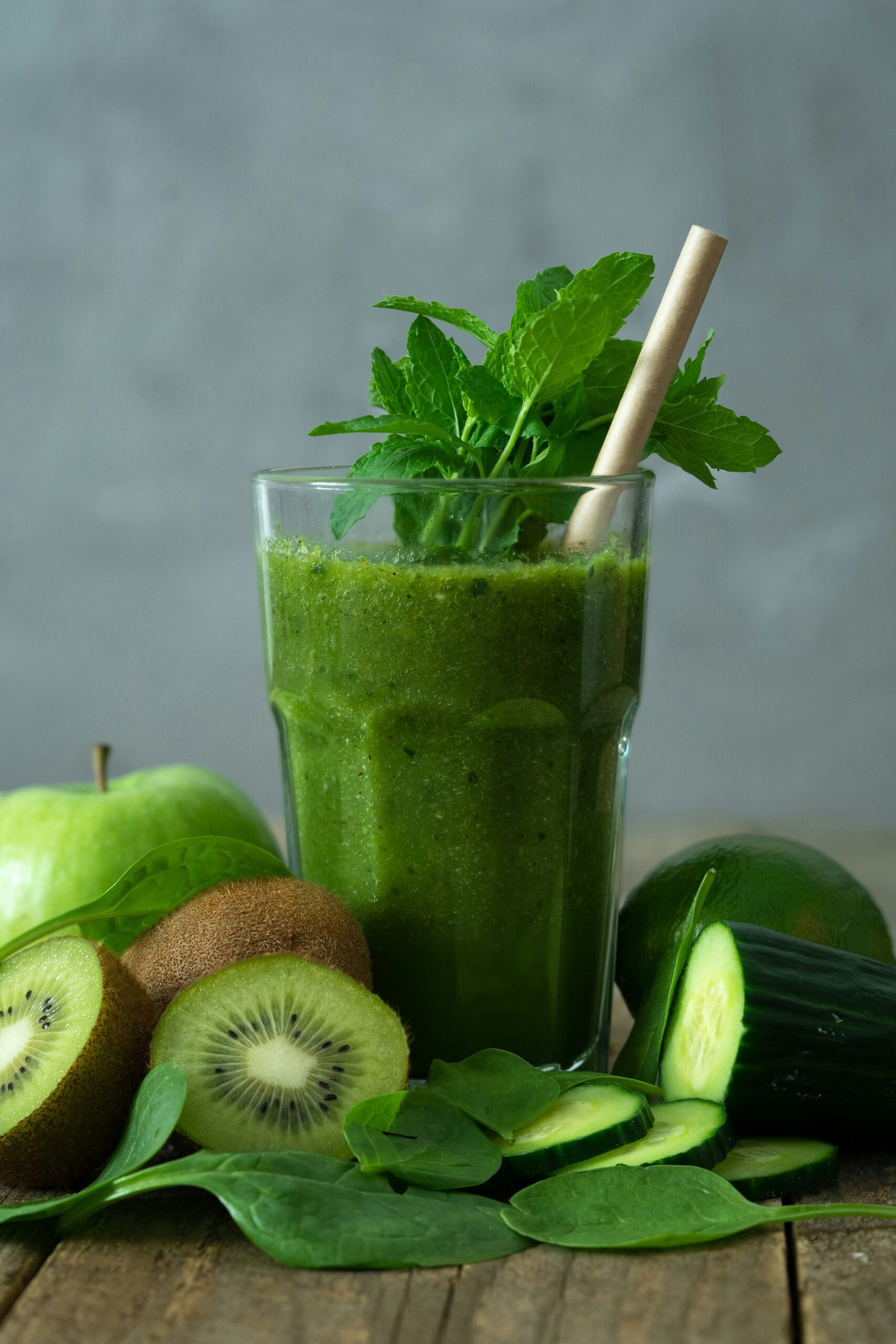
          To prepare the Green Goddess Smoothie, gather the following ingredients:

          • 1 cup of fresh spinach
          • 1 cup of kale, stems removed
          • 1/2 ripe avocado
          • 1 green apple, cored and chopped
          • 1/2 cucumber, peeled and chopped
          • 1 tablespoon of chia seeds
          • 1 cup of coconut water or filtered water
          • A squeeze of fresh lemon juice (optional)

          Combine all the ingredients in a blender and process until smooth. For an extra nutritional boost, you can add a tablespoon of spirulina or a handful of fresh mint leaves. Spirulina is a blue-green algae packed with protein and additional antioxidants, while mint can aid in digestion and add a refreshing flavor.

          Berry Bliss Smoothie for Antioxidant Power

          The “Berry Bliss” smoothie is a delightful concoction that combines the rich flavors of blueberries, strawberries, raspberries, and blackberries. This refreshing beverage is not only a treat for your taste buds but also a powerful ally for your skin health. Packed with antioxidants, these berries work synergistically to combat free radicals, reduce signs of aging, and improve overall skin tone.

          To prepare the Berry Bliss Smoothie, gather the following ingredients:

          • 1/2 cup of blueberries
          • 1/2 cup of strawberries
          • 1/2 cup of raspberries
          • 1/2 cup of blackberries
          • 1 cup of almond milk (or any plant-based milk)
          • 1 tablespoon of chia seeds
          • 1 teaspoon of honey (optional)
          • A handful of ice cubes

          Blend all the ingredients until smooth, and your Berry Bliss Smoothie is ready to enjoy!

          Tropical Radiance Smoothie for Hydration and Elasticity

          The “Tropical Radiance” smoothie is a delightful blend designed to invigorate your skin with hydration and enhance its elasticity. This rejuvenating concoction features mango, pineapple, coconut water, and banana — a harmonious combination that not only tantalizes the taste buds but also nourishes the skin from within.

          Coconut water, known for its hydrating properties, is packed with electrolytes such as potassium, sodium, and magnesium. These nutrients help maintain skin moisture and pH balance, ensuring that your skin remains supple and well-hydrated.

          To prepare the Tropical Radiance smoothie, blend one cup of diced mango, one cup of pineapple chunks, one banana, and one cup of coconut water until smooth. For added thickness and nutritional benefit, incorporate a tablespoon of chia seeds or flaxseeds.

          Nutty Nourishment Smoothie for Skin Repair

          The Nutty Nourishment Smoothie is an excellent choice for those looking to repair and rejuvenate their skin. This smoothie combines the wholesome goodness of almond milk, peanut butter, oats, and honey, each playing a vital role in promoting skin health.

          Almond milk, the base of this smoothie, is rich in vitamin E, an antioxidant known for its ability to protect skin cells from damage and keep the skin hydrated. It’s also dairy-free, making it a suitable option for those with lactose intolerance or dietary preferences.

          Oats are another powerhouse ingredient in this smoothie. They are known for their moisturizing properties and are often used in skincare products to soothe and nourish the skin. Oats are also rich in antioxidants and anti-inflammatory compounds, which can help to reduce skin irritation and improve overall skin health.


          To prepare this Nutty Nourishment Smoothie, simply blend together one cup of almond milk, two tablespoons of peanut butter, half a cup of oats, and one tablespoon of honey. Add any optional ingredients as desired and blend until smooth. Enjoy this delicious and nutritious smoothie as part of your daily skincare routine.

          Citrus Fresh Smoothie for Brightening

          The Citrus Fresh Smoothie is an invigorating blend designed to brighten your skin and give you a radiant glow. This smoothie features the zesty flavors of oranges and lemons, combined with the creamy texture of Greek yogurt and a hint of honey for sweetness. The star ingredients, oranges and lemons, are rich in vitamin C, a potent antioxidant known for its skin-brightening properties. 

          To create this refreshing Citrus Fresh Smoothie, you will need the following ingredients:

          • 1 cup freshly squeezed orange juice
          • 1/2 cup freshly squeezed lemon juice
          • 1/2 cup Greek yogurt
          • 1 tablespoon honey (adjust to taste)
          • 1/2 cup ice cubes

            The Benefits of Meditation and Mindfulness for Overall Health

            Introduction to Meditation and Mindfulness

            Meditation and mindfulness are ancient practices with roots tracing back thousands of years. Originating in the spiritual traditions of Asia, particularly within Hinduism, Buddhism, and Taoism, these practices were initially developed as methods to cultivate spiritual growth and self-awareness. Over centuries, they have evolved and transcended their religious origins, becoming integrated into various cultures and systems of thought worldwide.

            Although meditation and mindfulness are interconnected, they are not synonymous. Meditation often involves setting aside specific time to practice, while mindfulness can be woven into the fabric of daily life. Both practices, however, share the common goal of cultivating a heightened sense of awareness and presence

            Mental Health Benefits

            Meditation and mindfulness practices have garnered significant attention for their profound impact on mental health. These techniques are widely recognized for their ability to alleviate symptoms of anxiety and depression, enhance mood, and improve emotional regulation. The growing body of scientific research underpins these claims, providing compelling evidence regarding the mental health benefits associated with regular practice.

            The mental health benefits of meditation and mindfulness are further supported by neuroimaging studies. Research conducted at Harvard Medical School demonstrated that meditation could increase the density of gray matter in brain regions associated with memory, empathy, and stress regulation. These structural changes in the brain not only improve mental health but also enhance overall cognitive function.

            In conclusion, the mental health advantages of meditation and mindfulness are well-documented through numerous scientific studies. 

            Physical Health Benefits

            Meditation and mindfulness practices have been increasingly recognized for their profound impact on physical health. One of the most notable benefits is the reduction of stress-related ailments, including high blood pressure. Chronic stress is a significant contributor to hypertension, leading to severe cardiovascular issues. By engaging in regular meditation, individuals can lower their stress levels, thereby reducing blood pressure and promoting cardiovascular health.

            Cognitive Benefits

            Meditation and mindfulness practices have shown significant positive impacts on various cognitive functions. One of the most notable benefits is the improvement in attention. Regular meditation practice enhances an individual’s ability to maintain focus on tasks,

            Scientific research has further highlighted the structural changes in the brain associated with meditation and mindfulness. Neuroimaging studies have revealed that consistent practice can lead to increased gray matter density in the hippocampus, a region critical for learning and memory. 

            Emotional and Social Benefits

            Meditation and mindfulness practices offer substantial emotional and social benefits, significantly enhancing one’s ability to navigate complex personal and social landscapes. 

            Practical Tips for Getting Started

            Embarking on a journey of meditation and mindfulness can be a transformative experience, enhancing both mental and physical health. For beginners, it is essential to establish a solid foundation to make the practice sustainable and effective. Here are some practical tips to help you get started:

            Firstly, setting up a conducive environment is crucial. Choose a quiet, comfortable space where you won’t be disturbed. Whether it’s a corner of your bedroom or a dedicated room, ensure it is free from distractions. Consider adding elements that promote relaxation, such as a cushion, a mat, or even soft lighting and calming scents like lavender.

            Next, selecting the right type of meditation can significantly impact your experience. There are various forms of meditation, including guided meditation, mindfulness meditation, and transcendental meditation. For beginners, guided meditation can be particularly helpful as it provides structured instructions. Apps and online resources can be excellent tools for finding guided sessions tailored to your needs.

            Integrating mindfulness into daily life is another critical aspect. Start by focusing on your breath for a few minutes each day. Gradually, you can incorporate mindfulness into routine activities, such as eating, walking, or even brushing your teeth. The key is to be fully present in the moment, paying attention to sensations, thoughts, and feelings without judgment.

            Common Misconceptions and Myths

            Meditation and mindfulness are often surrounded by various misconceptions and myths, which can deter individuals from exploring these beneficial practices. One prevalent belief is that meditation is solely for spiritual people. While meditation has roots in spiritual traditions, it has evolved into a secular practice embraced by people from all walks of life. It is used widely in healthcare, education, and corporate settings for its proven mental and physical health benefits.

            Another common myth is the notion that one must completely clear the mind to meditate effectively. In reality, meditation is not about eradicating thoughts but rather about observing them without attachment. The practice involves focusing on the breath or a mantra and gently bringing attention back when the mind wanders. This process cultivates a non-judgmental awareness that can significantly enhance mental clarity and emotional stability.

              Makeup for Beginners: Essential Products and Application Tips

              Introduction to Makeup for Beginners

              Makeup has long been celebrated as a powerful tool for self-expression and boosting confidence. Whether you’re looking to enhance your natural features or experiment with bold, artistic looks, makeup offers a versatile way to reflect your personality and style. For beginners, the world of makeup can seem overwhelming, but understanding the basics is the first step towards mastering this art.

              Before diving into the realm of makeup application, it’s essential to get acquainted with a few fundamental aspects. Firstly, knowing your skin type is crucial. Whether you have dry, oily, combination, or sensitive skin, this knowledge will help you choose products that complement your complexion and ensure a flawless finish. Similarly, understanding your face shape can guide you in applying makeup in a way that accentuates your best features.

              Understanding Your Skin Type

              Before applying any makeup, it is imperative to understand your skin type—whether it is oily, dry, combination, or sensitive. Knowing your skin type helps in selecting the most appropriate products, ensuring that your makeup not only looks flawless but also maintains your skin’s health.

              Oily skin is characterized by an overproduction of sebum, resulting in a shiny or greasy appearance, particularly in the T-zone (forehead, nose, and chin). People with oily skin should opt for oil-free and mattifying products to control shine and prevent makeup from sliding off.

              Dry skin, on the other hand, lacks sufficient moisture and often feels tight or flaky. For those with dry skin, hydrating and creamy products are essential to avoid accentuating dry patches.

              Combination skin exhibits characteristics of both oily and dry skin, often with an oily T-zone and dry cheeks. This skin type benefits from a balanced skincare routine that targets both oil control and hydration.

              Sensitive skin is prone to redness, irritation, and reactions to various products. For sensitive skin, it is crucial to choose hypoallergenic and fragrance-free products. A basic skincare regimen should include a soothing cleanser, a gentle moisturizer, and a calming serum with ingredients like chamomile or aloe vera.

              Essential Makeup Products for Beginners

              Starting your makeup journey can be overwhelming, but having a well-curated makeup kit can make the process much more manageable. Here are the essential makeup products every beginner should have:

              Primer: Primer preps your skin, creating a smooth base for makeup application. It helps to extend the wear of your makeup and minimize the appearance of pores. For beginners, a basic hydrating or mattifying primer, depending on your skin type, is a good start.

              Foundation: Foundation evens out the complexion and provides a base for other products. Choose a formula that matches your skin type and tone. Liquid foundations are versatile and easy to blend, making them ideal for beginners.

              Concealer: Concealer is used to cover blemishes, dark circles, and other imperfections. A shade lighter than your foundation can brighten the under-eye area.

              Setting Powder: Setting powder helps to set your foundation and concealer, reducing shine and prolonging wear. Translucent powders are a safe bet for beginners. Try products from brands like Rimmel and Laura Mercier.

              Blush: Blush adds a healthy flush to your cheeks, giving your face a lively appearance. Powder blushes are simple to apply and blend. Milani and NYX offer a variety of shades suitable for different skin tones.

              Eyeshadow: A neutral eyeshadow palette is versatile and beginner-friendly. It allows you to create both subtle and dramatic looks. Urban Decay’s Naked Basics and Wet n Wild’s Color Icon palettes are great for starters.

              Eyeliner: Eyeliner defines the eyes and can be used to create various looks. Pencil eyeliners are easy to control and ideal for beginners. Brands like NYX and Revlon offer reliable options.

              Mascara: Mascara enhances your lashes, making your eyes look more open and awake. Look for a volumizing and lengthening formula. Maybelline’s Great Lash and L’Oréal’s Voluminous mascaras are popular choices.

              Brow Products: Well-groomed brows frame the face. Beginners can start with a brow pencil or powder to fill in sparse areas. Anastasia Beverly Hills and

              Lip Products: Lip products add the finishing touch to your makeup look. Start with a few basic shades in a formula you find comfortable, whether it be lipstick, gloss, or tinted balm. Brands like Revlon and Burt’s Bees offer a variety of options for beginners.

              Tips for Achieving a Flawless Base

              Achieving a flawless base is fundamental to any makeup look, as it sets the foundation for all other products. Start by applying a primer that suits your skin type. For oily skin, a mattifying primer can help control shine, while a hydrating primer can be beneficial for dry skin. The primer creates a smooth canvas, ensuring your foundation adheres better and lasts longer.

              Enhancing Your Features with Color

              Once you have established a solid base with foundation and concealer, the next step in your makeup routine is to enhance your features with color. This involves the strategic application of blush, bronzer, and highlighter, each playing a unique role in adding dimension and warmth to your face.

              Blush is typically applied to the apples of your cheeks to give a natural flush and bring life to your complexion. For a natural, glowing look, choose a shade that complements your skin tone. Fair skin tones often benefit from soft pinks and peaches, medium skin tones look great with warm apricots and rosy hues, while deeper skin tones can opt for rich berries and warm oranges.

              Eye Makeup Basics: Shadows, Liners, and Brows

              Eyes are often the focal point of a makeup look, making it essential to master the basics of eye makeup. A well-executed eye makeup routine involves a few key products: eyeshadow, eyeliner, mascara, and brow products. Each plays a crucial role in enhancing the eyes and creating various looks, from natural to dramatic.

              Eyeshadow is a versatile product that can add depth and dimension to your eyes. Start by applying a neutral base shade all over the lid to create an even canvas. Follow with a medium shade in the crease to add depth, and a darker shade on the outer corner for additional definition.

              Mascara is indispensable for adding volume and length to lashes. Begin by curling your lashes to open up the eyes, then apply mascara from the roots to the tips, wiggling the wand to ensure even coverage. For an extra boost, consider using a lash primer before mascara.

                The Best Natural Oils for Hair Growth and How to Use Them

                Introduction to Natural Oils for Hair Growth

                The quest for healthy, luscious hair often leads individuals to explore numerous products and treatments. Among these, natural oils have garnered significant attention for their role in promoting hair growth. Unlike chemical-laden products, natural oils offer a safer and more effective alternative. They are known for their ability to nourish the scalp and hair, providing essential nutrients that facilitate growth and improve overall hair health.

                One of the primary advantages of using natural oils is their safety profile. Free from harsh chemicals and synthetic additives, these oils minimize the risk of adverse reactions and long-term damage. Furthermore, natural oils are rich in vitamins, minerals, and fatty acids that strengthen hair follicles, stimulate growth, and prevent breakage. This holistic approach to hair care ensures that the scalp remains healthy, creating an optimal environment for hair growth.

                Coconut Oil: The All-Rounder

                Coconut oil stands out as a versatile and effective natural oil for promoting hair growth. Its unique molecular structure allows it to penetrate the hair shaft more efficiently than many other oils. This deep penetration helps reduce protein loss, which is crucial for maintaining strong, healthy hair. Coconut oil also provides intense conditioning, leaving hair feeling softer and more manageable.

                One of the key components of coconut oil is lauric acid, a medium-chain fatty acid known for its antimicrobial properties. Lauric acid helps maintain a healthy scalp by combating bacteria and fungi that can cause scalp infections and impede hair growth. Keeping the scalp clean and free from infections creates an optimal environment for hair follicles to thrive.

                Argan Oil: The Moisturizing Miracle

                Argan oil, often referred to as “liquid gold,” is renowned for its impressive benefits for hair growth and overall hair health. This natural oil is exceptionally rich in antioxidants, vitamin E, and essential fatty acids, making it a potent moisturizer for both the hair and scalp. The high concentration of these nutrients helps to nourish hair follicles, promoting stronger and healthier hair growth.

                Jojoba Oil: The Scalp Soother

                Jojoba oil stands out as a premier choice for hair care due to its remarkable similarity to the natural sebum produced by the scalp. This unique characteristic makes it especially effective in balancing oil production, thereby preventing both dryness and excess oiliness. When it comes to promoting hair growth, jojoba oil offers a range of benefits that go beyond mere moisturization.

                One of the primary advantages of jojoba oil is its ability to unclog hair follicles. Clogged follicles can impede hair growth by preventing new hair strands from emerging. By clearing these blockages, jojoba oil facilitates a healthier scalp environment conducive to hair growth. Additionally, its anti-inflammatory properties help to soothe irritated scalp conditions, reducing dandruff and other scalp issues that can hinder hair health.

                Rosemary Oil: The Follicle Stimulator

                Rosemary oil is renowned for its potent properties that are beneficial for hair growth. One of its primary attributes is its ability to stimulate blood circulation in the scalp. Enhanced blood flow ensures that hair follicles receive the necessary nutrients and oxygen, promoting stronger and healthier hair growth. Additionally, rosemary oil is known to promote cell regeneration, which is crucial for the growth of new hair cells.

                Scientific studies have bolstered the reputation of rosemary oil in the realm of hair care. A notable study published in 2015 compared rosemary oil to minoxidil, a common treatment for hair loss. The findings revealed that rosemary oil was just as effective as minoxidil in increasing hair count after six months of use. Moreover, participants using rosemary oil reported fewer side effects, making it a preferable option for those seeking a natural remedy. Another study highlighted the ability of rosemary oil to improve hair thickness, providing a fuller and more voluminous appearance.

                Peppermint Oil: The Growth Enhancer

                Peppermint oil has gained significant attention in the realm of natural hair care for its remarkable benefits in promoting hair growth. One of its most notable properties is its ability to enhance blood circulation to the scalp. The menthol present in peppermint oil causes a vasodilatory effect, meaning it widens the blood vessels, allowing more blood to flow to the hair follicles. This increased blood flow can result in improved nutrient delivery to the scalp, fostering a more conducive environment for hair growth.

                In addition to its circulatory benefits, peppermint oil provides a cooling and invigorating sensation when applied to the scalp. This not only leaves a refreshing feeling but also helps to alleviate scalp irritation and dryness. The soothing nature of peppermint oil can be particularly beneficial for individuals suffering from conditions like dandruff or seborrheic dermatitis.

                Combining Oils: Creating a Custom Hair Growth Blend

                Combining different natural oils can offer a potent solution tailored to individual hair and scalp needs. Customizing a hair growth blend allows the unique properties of each oil to synergize, potentially enhancing their overall effectiveness. Understanding the specific benefits of various oils is crucial in creating a personalized treatment that addresses your unique concerns.

                  Top 10 Anti-Aging Ingredients You Need in Your Skincare

                  Introduction to Anti-Aging Skincare

                  Anti-aging skincare has become an essential component of modern beauty routines, addressing the inevitable signs of aging that concern many. As we age, our skin undergoes significant changes, manifesting in common signs such as wrinkles, fine lines, and a noticeable loss of elasticity. These changes are primarily due to a decrease in collagen production, slower cell turnover, and diminished hydration levels, all of which contribute to the appearance of aging skin.

                  Understanding the mechanisms behind skin aging is crucial for developing an effective skincare regimen. Wrinkles and fine lines often appear as a result of repetitive facial expressions, sun exposure, and the natural aging process. Meanwhile, the loss of elasticity, which leads to sagging skin, can be attributed to the breakdown of elastin fibers within the dermis. Additionally, environmental factors like pollution and lifestyle choices, including diet and stress levels, can accelerate these aging signs.

                  Hyaluronic Acid: The Hydration Hero

                  Hyaluronic acid is a skincare ingredient that has garnered significant acclaim for its remarkable ability to retain moisture within the skin. As a naturally occurring substance in the body, hyaluronic acid plays a crucial role in maintaining skin hydration, ensuring it remains plump and youthful. This glycosaminoglycan can hold up to 1,000 times its weight in water, making it a vital component in achieving and sustaining optimal skin moisture levels.

                  One of the primary mechanisms by which hyaluronic acid works is by attracting and binding water molecules, creating a cushioning and lubricating effect on the skin’s surface. This hydration boost not only helps in minimizing the appearance of fine lines and wrinkles but also enhances the skin’s overall elasticity and firmness.

                  Retinol: The Gold Standard for Anti-Aging

                  Retinol, a derivative of vitamin A, stands as a cornerstone in the realm of anti-aging skincare. Esteemed for its extensive research and proven efficacy, retinol has earned its reputation as the gold standard in combating the signs of aging.

                  One of the most notable benefits of retinol is its ability to reduce the appearance of fine lines and wrinkles. By stimulating collagen production, retinol helps to fortify the skin’s structural integrity, leading to a smoother and firmer complexion.

                  Vitamin C: The Brightening Agent

                  Vitamin C, also known as ascorbic acid, is a powerhouse ingredient in the realm of anti-aging skincare. Renowned for its potent antioxidant properties, it plays a crucial role in combating the visible signs of aging. One of its primary functions is to brighten the skin, effectively reducing pigmentation and evening out skin tone. This is particularly beneficial for individuals dealing with hyperpigmentation, dark spots, or uneven skin complexion.

                  Beyond its brightening capabilities, Vitamin C is instrumental in boosting collagen production. Collagen is a vital protein that maintains the skin’s firmness and elasticity. As we age, our natural collagen production declines, leading to sagging and the formation of wrinkles. Incorporating Vitamin C into your skincare routine can stimulate collagen synthesis, thereby promoting a firmer and more youthful appearance.

                  Peptides: The Building Blocks of Skin

                  Peptides, comprised of short chains of amino acids, serve as the fundamental building blocks necessary for constructing proteins such as collagen and elastin in the skin. These proteins are integral to maintaining skin’s structural integrity, elasticity, and overall youthfulness. As we age, the natural production of these proteins diminishes, leading to sagging skin, fine lines, and wrinkles. Incorporating peptides into your skincare regimen can play a pivotal role in counteracting these signs of aging.

                  The primary benefit of peptides lies in their ability to signal the skin to produce more collagen. This enhanced collagen production not only helps in firming the skin but also in smoothing out wrinkles, thereby improving the skin’s texture and overall appearance. Furthermore, peptides are known for their ability to enhance the skin’s barrier function, which is critical for retaining moisture and shielding the skin from environmental stressors.

                  Niacinamide: The Multitasking Marvel

                  Niacinamide, also known as Vitamin B3, is a versatile and potent ingredient that has gained significant popularity in the realm of skincare. This powerhouse component offers a multitude of benefits, making it a staple in anti-aging routines. One of the primary advantages of niacinamide is its ability to improve skin elasticity. By enhancing the production of collagen, niacinamide helps to firm and tighten the skin, leading to a more youthful appearance.

                  Another crucial role of niacinamide is in bolstering the skin barrier. A robust skin barrier is essential for maintaining hydration and protecting against environmental aggressors. Niacinamide strengthens this barrier, ensuring the skin retains moisture and remains resilient against external stressors. This, in turn, leads to a healthier, more supple complexion.

                  Alpha Hydroxy Acids (AHAs): The Exfoliation Experts

                  Alpha Hydroxy Acids (AHAs) are a group of natural acids commonly used in skincare for their exceptional exfoliating properties. Among the most popular AHAs are glycolic acid and lactic acid. These ingredients are derived from natural sources such as sugar cane and milk, respectively, and play a vital role in promoting cell turnover and rejuvenating the skin.

                  AHAs work by dissolving the bonds that hold dead skin cells together on the surface of the skin. This exfoliation process helps to remove the buildup of dead cells, revealing fresher, smoother skin underneath. Regular use of AHAs can significantly improve skin texture and tone, making the complexion appear more radiant and youthful.

                  Overall, Alpha Hydroxy Acids are indispensable allies in the fight against aging. Their ability to exfoliate, promote cell turnover, and stimulate collagen production makes them a cornerstone in maintaining youthful, radiant skin.

                  Ceramides: The Skin Barrier Boosters

                  Ceramides are essential lipids that play a crucial role in maintaining the skin’s natural barrier. These fatty molecules are found in high concentrations within cell membranes and are pivotal in retaining moisture. By forming a protective layer, ceramides help to prevent water loss and shield the skin from environmental stressors such as pollutants and harsh weather conditions. Proper ceramide levels in the skin contribute to its hydration and overall resilience.

                  As we age, the natural production of ceramides diminishes, leading to a compromised skin barrier. This reduction can result in dryness, irritation, and increased sensitivity. Incorporating ceramide-containing products into your skincare routine can effectively replenish these vital lipids, thereby enhancing the skin’s barrier function and hydration levels. By bolstering the skin’s defense mechanism, ceramides help to maintain its smooth, plump, and youthful appearance.

                  Identifying ceramide-based products is straightforward. Look for ingredients such as “ceramide NP,” “ceramide AP,” or “ceramide EOP” on the product labels. These are specific types of ceramides commonly included in skincare formulations. Additionally, products that highlight their barrier-repairing capabilities or are marketed as “moisturizing” or “hydrating” often contain ceramides.

                  Sunscreen: The Ultimate Anti-Aging Essential

                  In the realm of skincare, sunscreen stands as an indispensable component. Daily use of sunscreen is paramount in safeguarding the skin from the harmful effects of ultraviolet (UV) rays, which are a principal cause of premature aging. The prolonged exposure to UV radiation can lead to the breakdown of collagen and elastin fibers, manifesting as wrinkles, fine lines, and an uneven skin tone.

                  Selecting the right sunscreen involves considering several factors. Firstly, it is crucial to choose a broad-spectrum sunscreen, which offers protection against both UVA and UVB rays. UVA rays are primarily responsible for long-term skin damage and aging, while UVB rays cause sunburn. An SPF (Sun Protection Factor) of at least 30 is generally recommended for adequate protection.

                    The Latest Trends in K-Beauty: What’s Hot Right Now

                    The Korean beauty industry, often referred to as K-Beauty, has carved a significant niche in the global beauty market. Renowned for its cutting-edge products, distinctive ingredients, and comprehensive skincare routines, K-Beauty has become a pivotal force influencing beauty standards worldwide. The rapid evolution of K-Beauty trends is a testament to its dynamic nature, driven by continuous innovation and consumer demand for effective and novel skincare solutions.

                    Moreover, K-Beauty is known for its multi-step skincare routines, which often include up to ten steps, each designed to address specific skin concerns. This meticulous approach to skincare has garnered a loyal global following, with consumers eager to adopt routines that promise radiant and youthful skin. From double cleansing and exfoliation to sheet masks and essences, these routines emphasize thorough care and the layering of lightweight products to maximize efficacy.

                    Innovative Skincare Ingredients

                    K-Beauty continues to revolutionize the skincare industry with its innovative ingredients, drawing on both traditional and cutting-edge science. Among these, snail mucin, centella asiatica, and propolis are particularly noteworthy for their impressive benefits and rising popularity.

                    Snail mucin, derived from the secretion of snails, has garnered attention for its remarkable ability to hydrate, repair, and rejuvenate the skin. Rich in glycoproteins, hyaluronic acid, and glycolic acid, snail mucin is widely used in serums, essences, and masks. Studies have shown that snail mucin can effectively reduce the appearance of fine lines and scars, making it a sought-after ingredient in anti-aging products.

                    Cutting-Edge Skincare Technologies

                    The K-Beauty industry has consistently been at the forefront of innovative skincare solutions, and recent advancements continue to push the boundaries of what skincare can achieve. One of the most notable trends is the integration of artificial intelligence (AI) and skin analysis apps. These technologies allow for highly personalized skincare routines by analyzing an individual’s skin type, concerns, and environmental factors. Through machine learning algorithms, these apps can recommend products tailored to the user’s specific needs, thereby enhancing the effectiveness of skincare regimens.

                    The latest makeup trends emerging from Korea are captivating beauty enthusiasts globally, with their focus on achieving a youthful, fresh appearance. One of the most notable trends is the pursuit of “glass skin,” characterized by a luminous, almost translucent complexion. This look is achieved through a meticulous skincare routine followed by the application of lightweight, hydrating products. Cushion foundations play a pivotal role here, offering buildable coverage while maintaining a dewy finish. Popular choices include the Laneige BB Cushion and the Missha M Magic Cushion, both revered for their ability to create that sought-after glass skin effect.

                    Another trend that has taken the beauty world by storm is gradient lips. This style involves applying a darker shade to the inner parts of the lips and blending it outwards to create a soft, fading effect. The result is a naturally flushed look that is both subtle and striking. Essential products for this trend are lip tints, such as the Peripera Ink Airy Velvet and the Etude House Dear Darling Water Gel Tint, which provide a long-lasting, vibrant color.

                      Add to cart