Self-care is a fundamental component of maintaining mental health and overall well-being. It encompasses a variety of practices that individuals can engage in to manage stress, enhance mood, and boost energy levels. Psychologically, self-care activities such as mindfulness, exercise, and hobbies can significantly improve mood by promoting the release of endorphins and other feel-good hormones. Physiologically, these practices can lead to better sleep patterns, reduced muscle tension, and improved cardiovascular health.
Engaging in regular self-care routines is essential for preventing burnout, a state of physical, emotional, and mental exhaustion caused by prolonged stress. Neglecting self-care can exacerbate feelings of anxiety and depression, leading to a decrease in productivity and overall life satisfaction. For instance, chronic stress without adequate self-care can result in heightened levels of cortisol, a stress hormone that, over time, can impair cognitive function, weaken the immune system, and increase the risk of chronic diseases.
Daily Habits for Stress Reduction
Incorporating practical daily habits into your routine can significantly help manage stress and boost mental health. A balanced diet, regular exercise, and adequate sleep are foundational elements of a stress-free life. Here’s how each of these habits can be seamlessly integrated into a busy lifestyle to foster well-being.
Firstly, maintaining a balanced diet is crucial. Consuming a variety of nutrient-rich foods helps stabilize energy levels and mood. Meal prepping can be a game-changer for those with hectic schedules. By dedicating a few hours each week to prepare healthy meals and snacks, you ensure that you have easy access to nutritious options, thereby reducing the temptation to opt for fast food or processed snacks that can negatively impact stress levels.
Mindfulness and Relaxation Techniques
In today’s fast-paced world, mindfulness and relaxation techniques have become essential tools for reducing stress and enhancing mental well-being. These practices, which include meditation, deep breathing exercises, and progressive muscle relaxation, are backed by scientific research that highlights their effectiveness in calming the mind and reducing stress.
Meditation is a practice that involves focusing the mind on a particular object, thought, or activity to achieve mental clarity and emotional calmness. Research has shown that regular meditation can reduce symptoms of anxiety and depression, lower blood pressure, and improve overall emotional health. Beginners can start with simple practices such as focusing on their breath or repeating a calming mantra for a few minutes each day.
Building a Support System
Maintaining robust social connections is integral to mental health and overall well-being. A strong support system, comprising family, friends, and community, can provide emotional sustenance and significantly reduce feelings of isolation. These connections act as a buffer against stress and offer a sense of belonging, which is crucial for mental resilience.
Strengthening existing relationships is a critical step in building a support system. Regular communication with family and friends, whether through phone calls, video chats, or face-to-face meetings, helps maintain these bonds. Expressing gratitude, showing empathy, and actively listening can deepen these relationships, fostering a supportive environment.
Introduction: The Connection Between Diet and Skin Health
The intricate relationship between diet and skin health has garnered significant attention in recent years, with mounting evidence suggesting that what we consume directly impacts our skin’s appearance and vitality. Various nutrients, vitamins, and minerals play crucial roles in maintaining skin health. For instance, vitamins like A, C, and E are known for their antioxidant properties, protecting the skin from oxidative stress and promoting cell regeneration. Similarly, essential fatty acids, such as omega-3s, contribute to maintaining the skin’s lipid barrier, which keeps it hydrated and resilient.
A balanced diet rich in fruits, vegetables, lean proteins, and whole grains can lead to radiant and clear skin. Antioxidant-rich foods like berries, leafy greens, and nuts help combat free radicals that cause skin damage and aging. Moreover, hydration through adequate water intake and consumption of water-rich foods like cucumbers and melons is vital for maintaining skin elasticity and preventing dryness.
Foods to Eat for Healthy Skin
A balanced diet plays a pivotal role in maintaining healthy skin. Certain foods are particularly beneficial due to their rich content of vitamins, antioxidants, and omega-3 fatty acids. These nutrients contribute significantly to skin hydration, elasticity, and overall appearance. Incorporating these foods into your daily meals can provide a natural boost to your skin’s health.
Fruits and vegetables are at the forefront of skin-friendly foods. Berries, such as strawberries, blueberries, and raspberries, are rich in antioxidants that combat free radicals which can damage skin cells. Citrus fruits like oranges and lemons are high in vitamin C, essential for collagen production, which helps maintain skin firmness and elasticity. Leafy greens such as spinach and kale provide a myriad of vitamins and minerals, including vitamin E, which protects against oxidative stress.
Foods to Avoid for Better Skin
It is imperative to recognize the significant impact that certain foods and dietary habits can have on skin health. Processed foods, sugary snacks, dairy, and foods rich in unhealthy fats are among the primary culprits that can lead to various skin issues, including acne, inflammation, and dullness.
Processed foods, often high in refined carbohydrates and unhealthy fats, can trigger inflammation and exacerbate skin problems. Scientific studies have shown that a diet high in refined sugars and carbohydrates increases insulin levels, which in turn promotes the production of sebum.
Sugary snacks, including candies, pastries, and sugary beverages, can also wreak havoc on skin health. High sugar intake leads to the formation of advanced glycation end products (AGEs), which damage collagen and elastin, the proteins responsible for keeping skin firm and youthful.
Creating a Skin-Healthy Diet Plan
Developing a diet that promotes healthy skin involves more than just selecting the right foods; it requires a comprehensive approach that includes hydration, balanced meals, and mindful eating. Hydration is fundamental, as water helps to maintain skin elasticity and flush out toxins. Aim to drink at least eight glasses of water daily, and consider incorporating hydrating foods like cucumbers, watermelon, and oranges into your diet.
Balanced meals are another cornerstone of skin health. Focus on integrating a variety of skin-boosting foods into your diet. Antioxidant-rich fruits and vegetables, such as berries, spinach, and carrots, can combat oxidative stress and reduce inflammation.
Mindful eating can help you make better food choices and improve digestion, which in turn benefits your skin. Eating slowly and savoring each bite not only enhances nutrient absorption but also reduces stress, a known contributor to skin issues like acne and eczema.
For those seeking a structured approach, a sample weekly meal plan might look like this:
Breakfast: Greek yogurt with berries and a sprinkle of chia seeds
Lunch: Quinoa salad with mixed greens, avocado, and grilled chicken
Dinner: Baked salmon with steamed broccoli and sweet potatoes
Snacks: Carrot sticks with hummus, an apple, or a handful of almonds
The health of our skin and hair is closely tied to our nutritional intake. A balanced diet rich in essential vitamins and nutrients can significantly enhance the appearance and resilience of both skin and hair. Among the myriad of dietary options available, certain foods stand out due to their exceptional nutrient density and health benefits, commonly referred to as ‘superfoods’.
Superfoods are nutrient-rich foods that are particularly beneficial for maintaining and improving overall health. They are packed with vitamins, minerals, antioxidants, and other compounds essential for optimal bodily function. When it comes to skin and hair health, superfoods play a pivotal role. They support skin elasticity, promote hydration, and fortify hair strength, contributing to a radiant and youthful appearance.
The skin, being the body’s largest organ, requires a continuous supply of nutrients to maintain its structure, function, and appearance. Vitamins such as A, C, E, and essential fatty acids are crucial for skin repair, protection against environmental damage, and maintaining moisture balance. Similarly, hair health depends on nutrients like biotin, zinc, and proteins, which are fundamental for hair growth and strength.
Avocado: The Ultimate Moisturizer
Avocados are often hailed as a superfood, and for good reason. Packed with healthy fats, vitamins E and C, and an array of antioxidants, avocados are essential for maintaining skin moisture and elasticity. The monounsaturated fats in avocados help to keep the skin hydrated, preventing dryness and flakiness. Moreover, these fats support the skin’s natural barrier, which retains moisture and keeps out harmful environmental toxins.
Vitamin E, known for its antioxidant properties, plays a crucial role in protecting the skin from oxidative stress and free radical damage. This vitamin helps to maintain skin elasticity, reducing the appearance of fine lines and wrinkles. Vitamin C, another potent antioxidant present in avocados, is vital for collagen production, a protein that provides structure and firmness to the skin. Together, these vitamins enhance the skin’s overall health, giving it a radiant glow.
Salmon: source of omega-3
Salmon is often celebrated as a nutritional powerhouse, particularly due to its rich content of omega-3 fatty acids. These essential fats are crucial for maintaining skin elasticity and hydration, making them a vital component of any skincare regimen. Omega-3s help to maintain the lipid barrier of the skin, which is essential for keeping it plump and hydrated. This barrier also protects the skin from environmental stressors and prevents moisture loss, contributing to a more radiant complexion.
Beyond skin health, omega-3 fatty acids play a significant role in reducing inflammation. Chronic inflammation can lead to various skin issues, including acne and premature aging. By incorporating salmon into your diet, you can help mitigate these inflammatory responses, promoting clearer and more youthful-looking skin.
The benefits of salmon extend to hair health as well. Omega-3s are known to nourish the scalp, reducing dryness and flakiness, which can often lead to dandruff. A healthy scalp is the foundation for strong, vibrant hair. These fatty acids also improve blood circulation to the hair follicles, encouraging healthy hair growth and reducing hair loss.
Blueberries: Antioxidant-Rich Berries
Blueberries are often celebrated for their potent health benefits, particularly for skin and hair. These small, vibrant berries are a powerhouse of antioxidants, notably vitamins A and C, as well as dietary fiber. Antioxidants play a crucial role in neutralizing free radicals—unstable molecules that can cause cellular damage and accelerate the aging process. By combating these harmful free radicals, blueberries help to prevent premature aging and maintain the youthful appearance of your skin.
Vitamin C is particularly important for skin health as it aids in collagen production, a protein that keeps skin firm and elastic. On the other hand, vitamin A, also known as retinol, assists in skin cell regeneration, ensuring that your skin remains smooth and vibrant. Furthermore, the fiber content in blueberries supports healthy digestion, which in turn can contribute to clearer skin, as digestive health is often linked to skin health.
Sweet Potatoes: Beta-Carotene Boost
Sweet potatoes are a powerhouse of beta-carotene, an essential nutrient that the body converts into vitamin A. This conversion is crucial for skin cell regeneration and maintaining a healthy scalp. Vitamin A is known for its ability to stimulate the production of new skin cells, making sweet potatoes a vital addition to any diet focused on achieving radiant skin and hair.
The antioxidant properties of beta-carotene make sweet potatoes particularly beneficial for protecting the skin from sun damage. These antioxidants help neutralize free radicals, which are harmful molecules generated by exposure to UV radiation. By incorporating sweet potatoes into your diet, you can bolster your skin’s natural defense mechanisms, thereby reducing the risk of sunburn and long-term damage.
In addition to their protective qualities, sweet potatoes are versatile and delicious. Here are a few healthy recipes that make the most of this nutrient-dense superfood:
Sweet Potato and Chickpea Salad: Combine roasted sweet potatoes, chickpeas, baby spinach, and a tangy lemon-tahini dressing for a nutritious and satisfying meal. This salad is not only rich in beta-carotene but also provides a good dose of protein and fiber.
Spinach: Nutrient-Dense Leafy Green
Spinach stands out as a powerhouse of essential nutrients, making it a superfood that offers a multitude of benefits for both skin and hair. Rich in vitamins A, C, E, and K, as well as iron and folate, spinach provides the building blocks necessary for maintaining radiant skin and healthy hair.
Vitamin A in spinach plays a crucial role in skin repair and maintenance. It supports the production of new skin cells, helping to replace old and damaged ones, thus promoting a clear and youthful complexion. Meanwhile, vitamin C is a potent antioxidant that aids in collagen synthesis, which is vital for maintaining skin elasticity and hydration. This powerful vitamin also helps in combating free radicals that can cause premature aging and skin damage.
Vitamin E, another antioxidant found in spinach, contributes to skin health by protecting it from oxidative stress and environmental damage. Additionally, vitamin K supports skin healing and can help reduce the appearance of scars and dark spots. The combination of these vitamins ensures that your skin remains hydrated, resilient, and glowing.
Almonds: Vitamin E Superstar
Almonds are celebrated for their impressive nutritional profile, particularly their high content of vitamin E, a potent antioxidant that plays a crucial role in protecting skin cells from oxidative damage. This essential nutrient helps to neutralize free radicals—unstable molecules that can cause premature aging and skin deterioration. Vitamin E’s ability to safeguard cells extends to maintaining skin moisture, which is vital for achieving a radiant complexion and preventing dryness and flakiness.
Moreover, the benefits of vitamin E found in almonds are not limited to the skin; it also promotes a healthy scalp. A well-nourished scalp is fundamental for robust hair growth and can help mitigate issues such as dandruff and hair thinning. Regular consumption of almonds can thus contribute to both skin and hair health, making them a valuable addition to any diet aimed at enhancing overall beauty.
Green Tea: Antioxidant and Anti-Inflammatory
Green tea has long been celebrated for its impressive health benefits, particularly its high antioxidant content and anti-inflammatory properties. The primary antioxidants in green tea are catechins, which are known to combat free radicals, thereby preventing oxidative stress and cellular damage. This protective action is crucial for maintaining healthy, radiant skin, as it helps to reduce the appearance of fine lines and wrinkles while promoting a youthful glow.
In addition to its antioxidant prowess, green tea also boasts significant anti-inflammatory benefits. The presence of polyphenols and other bioactive compounds work to soothe irritated skin and reduce redness. This makes green tea an excellent choice for those dealing with skin conditions such as acne, rosacea, or eczema. By calming inflammation, green tea can help to promote an even skin tone and a clearer complexion.
Tomatoes: Lycopene for Skin Protection
Tomatoes are a nutritional powerhouse, especially renowned for their high lycopene content. Lycopene, a potent antioxidant found in tomatoes, plays a crucial role in shielding the skin from the harmful effects of UV radiation. This antioxidant combats free radicals generated by sun exposure, thereby reducing the risk of sunburn, premature aging, and even skin cancer. Consuming tomatoes regularly can be a simple yet effective way to enhance your skin’s natural defense mechanisms.
In addition to providing UV protection, lycopene contributes significantly to improving skin texture and tone. It promotes collagen production, which is essential for maintaining skin elasticity and firmness. As a result, regular intake of lycopene-rich tomatoes can lead to smoother, more youthful-looking skin. The anti-inflammatory properties of lycopene also help in reducing redness and irritation, making it beneficial for individuals with sensitive skin conditions such as rosacea and acne.
Walnuts: Nutrient-Dense for Hair and Skin
Walnuts are a powerhouse of nutrients, making them an exceptional superfood for promoting radiant skin and healthy hair. Rich in omega-3 fatty acids, vitamin E, and biotin, walnuts offer a multitude of benefits that support overall skin and hair health. Omega-3 fatty acids play a crucial role in maintaining skin moisture and suppleness, helping to reduce inflammation and prevent skin disorders such as eczema and psoriasis. These essential fatty acids also contribute to hair health by nourishing hair follicles, promoting growth, and preventing hair loss.
Vitamin E, a potent antioxidant found in walnuts, protects skin cells from oxidative damage caused by free radicals. This protection helps to maintain a youthful appearance by reducing signs of aging such as fine lines and wrinkles. Additionally, vitamin E supports scalp health, which is essential for strong, lustrous hair. Biotin, also known as vitamin B7, is another vital nutrient present in walnuts. Biotin enhances keratin production, a protein that forms the structural foundation of hair, skin, and nails, thereby promoting stronger hair and a smoother complexion.
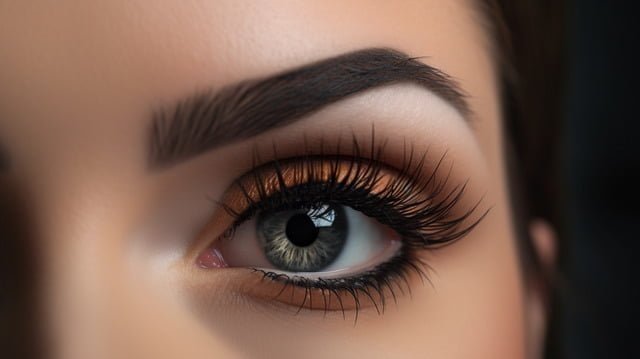
The smokey eye look has long been a staple in the world of makeup, renowned for its ability to add depth and drama to the eyes. This timeless style can elevate any appearance, making it a favorite among makeup enthusiasts and professionals alike. The allure of the smokey eye lies in its versatility; it can easily transition from a subtle, daytime look to a bold, evening statement with just a few adjustments.
Mastering the smokey eye is an essential skill for anyone passionate about makeup. Its ability to complement various eye shapes and colors makes it universally flattering. The classic black smokey eye remains a popular choice, offering a sultry and sophisticated finish. However, the beauty of this technique is its adaptability. Modern interpretations include a range of colors, from deep plums and navy blues to more adventurous hues like emerald greens and metallics, allowing for endless creativity.
Essential Tools and Products
When it comes to achieving the perfect smokey eye, having the right tools and products is crucial. The first step is to invest in quality brushes. A blending brush is essential for diffusing eyeshadow seamlessly, while a flat shader brush helps in packing color onto the lid. A pencil brush is also useful for smudging eyeliner and applying shadow to the lower lash line.
Eyeliner is pivotal in defining the smokey eye. A creamy, blendable pencil liner is ideal for creating that smudged effect. Start with a dark shade, such as black or deep brown, and line your upper and lower lash lines. Then, use your pencil brush to smudge the liner softly. For added drama, you can also tightline your waterline with the same liner.
Mascara is the finishing touch to bring your smokey eye to life. Choose a volumizing and lengthening formula to make your lashes stand out against the dark eyeshadow. Apply multiple coats to both your upper and lower lashes for maximum impact. If you prefer, you can also add false lashes for extra glamour.
Creating a Base Layer
Achieving the perfect smokey eye begins with creating a flawless base layer of eyeshadow. This foundational step is essential for ensuring that the subsequent layers blend seamlessly and the overall look appears polished. To start, select a neutral eyeshadow shade that complements your skin tone. Ideal colors for this purpose include soft beiges, taupes, and light browns. These shades provide a smooth canvas and enhance the depth of darker hues to follow.
Begin by applying an eyeshadow primer to your eyelids. This product helps to prevent creasing and ensures that your eyeshadow stays in place throughout the day. Once the primer has set, use a fluffy blending brush to apply your chosen neutral base shade across the entire lid, extending slightly above the crease. Utilize gentle, sweeping motions to distribute the color evenly.
After applying the base color, it’s important to set the eyeshadow to maintain its longevity. Lightly dust a translucent setting powder over the lid using a clean brush. This step not only locks the base in place but also helps to absorb any excess oils that could disrupt the eyeshadow’s adherence.
Building Depth with Transition Shades
Transition shades are a crucial element in creating a captivating smokey eye, as they help build depth and dimension, making the overall look more sophisticated and seamless. The primary role of these shades is to bridge the gap between the lighter base color and the deeper, more intense hues used in the crease and outer corners. Properly applied transition shades ensure that the colors blend smoothly into one another, avoiding harsh lines that can diminish the smokey effect.
To begin, select a mid-tone shade that complements your base color but is slightly darker. This shade should be neutral enough to blend well with both lighter and darker colors. Popular choices include soft browns, taupes, and muted mauves. Using a fluffy blending brush, apply the transition shade directly above the crease, sweeping it back and forth in a windshield wiper motion. This technique helps distribute the color evenly and ensures a smooth gradient as you layer on additional shades.
Blending is key when working with transition shades. Spend extra time making sure the edges of your transition shade are diffused and seamlessly integrated with your base color. This effort will pay off when you start layering darker shades, as it provides a smooth canvas that enhances the depth of the smokey eye.
Intensifying the Look with Dark Shadows
The hallmark of a classic smokey eye lies in the strategic application of darker shadows. To begin, choose a dark shade, such as deep brown, charcoal, or black. Using a flat eyeshadow brush, apply this shade to the outer corner of your eyelid, creating a “V” shape that extends slightly into the crease and along the upper lash line. This initial placement is crucial for building depth and dimension.
Next, blend the dark shadow inward using a clean, fluffy blending brush. The key to a flawless smokey eye is seamless blending, which avoids harsh lines and creates a gradient effect. Make small, circular motions with the brush to diffuse the color towards the center of the eyelid while maintaining the intensity at the outer corner.
Perfecting the Details: Liner and Mascara
Achieving the perfect smokey eye look necessitates mastering the application of eyeliner and mascara. These final steps are crucial in defining and enhancing the eyes, bringing the entire makeup look together. Selecting the right techniques and products can make a significant difference in the outcome.
When it comes to eyeliner, various techniques can be employed to suit different preferences and eye shapes. Tightlining, for instance, involves applying eyeliner on the upper waterline, creating the illusion of fuller lashes and a more defined eye. This technique is particularly effective for those seeking a subtle yet impactful enhancement.
Common mistakes such as smudging can be avoided with a few simple tips. Set your eyeliner with a matching eyeshadow to lock it in place, and avoid rubbing your eyes throughout the day. For mascara, using a waterproof formula can prevent smudging and ensure longevity. Additionally, if you notice clumping, a clean spoolie brush can be used to gently separate lashes and remove excess product.
Finishing Touches and Tips for Longevity
Once you have mastered the application of your smokey eye, the final steps can elevate your look from good to flawless. One essential finishing touch is the application of highlighter. Apply a small amount of highlighter to the brow bone, just below the arch of your eyebrow, to lift and define the eyes. Additionally, dabbing a bit of highlighter to the inner corners of your eyes can make them appear brighter and more awake.
Setting your makeup is crucial for ensuring that your smokey eye remains intact throughout the day or night. Use a setting spray to lock in your look. Hold the spray at an arm’s length and mist it evenly over your face. This not only helps to set your eyeshadow but also reduces the appearance of any powdery residue, providing a more seamless finish.
Finally, carry a few essentials in your makeup bag for emergency touch-ups: a compact mirror, a small eyeshadow palette with your key colors, a blending brush, and cotton swabs for precision corrections. By following these additional steps and tips, you can ensure that your smokey eye remains impeccable from morning till night.
Extremely hot weather poses significant challenges to maintaining healthy hair. The intense sun exposure, high humidity, and increased sweating can collectively contribute to hair damage, making it essential to understand these factors to better protect your hair. Sun exposure, for instance, involves prolonged UV rays that can break down the protein structure of hair strands. This degradation weakens the hair, making it more susceptible to dryness and breakage.
Humidity plays a dual role in impacting hair health. On one hand, it can cause frizz by swelling the hair cuticle, leading to an uneven texture and a lack of smoothness. On the other hand, excessive moisture in the air may also cause hair to become limp and lack volume. This fluctuation in hair behavior is due to the hair’s natural tendency to absorb moisture from the environment, which alters its structural integrity.
Hydration: The Key to Healthy Hair
Maintaining healthy hair in very hot weather necessitates a focus on hydration. Both the hair and scalp require adequate moisture to withstand the drying effects of high temperatures. An essential practice is to drink plenty of water throughout the day. Hydration from within ensures that your scalp remains healthy, which in turn supports robust hair growth.
In addition to internal hydration, the use of hydrating hair products is crucial. Leave-in conditioners are particularly beneficial as they provide continuous moisture throughout the day. These products help to seal in hydration.
Incorporating natural oils into your hair care routine can further enhance moisture retention. Oils such as coconut oil and argan oil are excellent choices. Coconut oil penetrates the hair shaft, providing intense hydration and reducing protein loss. Argan oil, often referred to as “liquid gold,” is rich in vitamins and antioxidants that nourish the hair and scalp.
Protective Hairstyles and Accessories
When it comes to maintaining healthy hair in very hot weather, protective hairstyles and accessories play a crucial role. Choosing the right hairstyles can significantly minimize hair exposure to harsh sun and heat, thereby reducing potential damage. Styles such as braids, buns, and twists are excellent options as they keep the hair secure and shielded. Braids, for instance, can be worn in various forms—box braids, cornrows.
In addition to hairstyles, accessories such as hats and scarves are highly effective in safeguarding your hair. Wide-brimmed hats not only protect your hair but also offer the added benefit of shielding your face and neck from UV rays. Scarves can be wrapped around the head to cover the scalp and hair, providing a fashionable yet functional barrier against the sun.
Regular Hair Care Routine Adjustments
Adapting your hair care routine to the challenges posed by very hot weather is crucial for maintaining healthy hair. The intense heat and increased exposure to UV rays can lead to dryness, frizz, and damage, making it essential to revise your hair care practices accordingly.
Firstly, consider reducing the frequency of heat styling tools such as blow dryers, curling irons, and straighteners. These tools can exacerbate the drying effects of the sun and further strip your hair of its natural moisture. Instead, opt for air-drying whenever possible. This not only minimizes heat damage but also allows your hair to retain its natural texture and shine.
Switching to sulfate-free shampoos and conditioners can also be beneficial during hot weather. Sulfates, which are common in many commercial hair products, can strip away natural oils, leaving hair dry and brittle. Sulfate-free alternatives are gentler on the scalp and help maintain the hair’s natural moisture balance. Look for products that are specifically formulated to nourish and protect your hair in harsh conditions.
Identifying your skin type is an essential first step in building an effective skincare routine. The primary skin types are oily, dry, combination, sensitive, and normal, each with distinct characteristics and needs. Recognizing which category your skin falls into can significantly influence your choice of skincare products and techniques.
Oily Skin: This skin type is characterized by an overproduction of sebum, leading to a shiny complexion, enlarged pores, and a propensity for acne and blackheads. If your skin tends to become greasy shortly after washing, you likely have oily skin.
Dry Skin: Individuals with dry skin often experience tightness, flakiness, and a rough texture. This occurs due to insufficient sebum production, making the skin prone to irritation and redness. If your skin feels dry and uncomfortable throughout the day, you may have dry skin.
Combination Skin: Combination skin exhibits characteristics of both oily and dry skin, typically with an oily T-zone (forehead, nose, and chin) and dry or normal areas on the cheeks. This skin type requires a balanced approach to address both oiliness and dryness.
Sensitive Skin: Sensitive skin is easily irritated by various factors, including skincare products, environmental conditions, and lifestyle habits. It may exhibit redness, itching, and a burning sensation. If your skin reacts negatively to many products, you likely have sensitive skin.
Normal Skin: Normal skin is well-balanced, neither too oily nor too dry, with a smooth texture and minimal imperfections. Individuals with normal skin generally experience fewer issues and can tolerate a wide range of products.
Essential Steps in a Basic Skincare Routine
Establishing a basic skincare routine is crucial for maintaining healthy, radiant skin, regardless of your skin type. The fundamental steps of this routine—cleansing, toning, moisturizing, and sun protection—are integral to achieving and preserving optimal skin health. Each step serves a unique purpose and contributes to the overall efficacy of your skincare regimen.
The first step, cleansing, involves removing dirt, oil, and impurities that accumulate on the skin’s surface throughout the day. A gentle cleanser suited to your skin type ensures that your skin is clean without stripping it of essential moisture. For best results, cleanse your face twice daily.
Following toning, moisturizing is essential to maintain the skin’s hydration levels and create a protective barrier against environmental aggressors. Whether you have dry, oily, or combination skin, selecting a moisturizer that matches your skin’s needs is key. Lightweight, non-comedogenic moisturizers are ideal for oily skin, while richer, more emollient formulations benefit those with dry skin.
The final step in a basic skincare routine is sun protection. Applying a broad-spectrum sunscreen with at least SPF 30 every morning is vital in protecting your skin from harmful UV rays that can cause premature aging and increase the risk of skin cancer. Sunscreen should be the last step in your morning routine, ensuring your skin is shielded from sun exposure throughout the day.
Customizing Your Routine for Your Skin Type
Creating the ideal skincare routine begins with understanding your unique skin type and its specific needs. Tailoring your skincare regimen can significantly enhance your skin’s health and appearance, ensuring that each product works harmoniously with your skin. Here are detailed recommendations for different skin types:
Oily Skin
For oily skin, the key is to manage excess sebum production and prevent breakouts. Look for cleansers containing salicylic acid or benzoyl peroxide, which help to unclog pores and reduce oil. Toners with witch hazel or niacinamide can further control shine and minimize pores. Opt for lightweight, oil-free moisturizers and non-comedogenic products to prevent clogging pores.
Dry Skin
If you have dry skin, focus on hydration and nourishment. Use gentle, hydrating cleansers that do not strip away natural oils. Ingredients like hyaluronic acid, glycerin, and ceramides are excellent for retaining moisture.
Combination Skin
Combination skin requires a balanced approach to address varying needs across different areas of the face. Use a gentle cleanser that suits all skin types, followed by a toner that balances oil in the T-zone. Lightweight, hydrating serums can provide moisture without adding excess oil. niacinamide and hyaluronic acid can help to balance and hydrate the skin effectively.
Sensitive Skin
Sensitive skin benefits from gentle, hypoallergenic products designed to reduce irritation. Use fragrance-free cleansers and moisturizers with soothing ingredients like aloe vera, chamomile, and oatmeal. Avoid products with harsh chemicals, fragrances, and alcohol, as they can trigger reactions. Look for labels that indicate the product is designed for sensitive skin and consider performing a patch test before introducing new products into your routine.
Normal Skin
For normal skin, the goal is to maintain its natural balance. Use a gentle cleanser to keep the skin clean without over-drying. Ingredients like hyaluronic acid and vitamin E can maintain hydration and provide antioxidant benefits. A lightweight moisturizer and regular use of sunscreen are essential to protect and maintain healthy skin. Incorporating a mild exfoliant once or twice a week can help to keep the skin smooth and bright.
By carefully selecting products and ingredients suited to your skin type, you can develop a skincare routine that enhances your skin’s natural beauty and health.
When it comes to personal grooming, the shape of your nails can have a significant impact on your overall appearance. Whether you prefer them long or short, the shape of your nails can complement your style, enhance the look of your hands, and even influence how others perceive you.
Common Nail Shapes and Their Effects
There are several popular nail shapes, each bringing its own unique flair to your look:
Round: Round nails are classic and understated. They give your hands a softer, more feminine appearance and are easy to maintain.
Square: Square nails provide a bold, modern look. They can make your fingers appear shorter but are perfect for those who love a clean, sharp finish.
Oval: Oval nails are elegant and elongate the fingers. This shape is ideal for those looking to achieve a sophisticated and graceful look.
Almond: Almond nails are stylish and trendy. They create the illusion of longer fingers and are perfect for a chic, fashion-forward appearance.
Choosing the Right Nail Shape for You
When deciding on the best nail shape for you, consider the shape of your hands and fingers, as well as your lifestyle. For example, if you have wide nail beds, oval or almond shapes can help create a more balanced look. On the other hand, if you lead a busy life and require practical nails, round or square shapes might be more suitable.
Throughout history, diverse cultures have developed unique beauty rituals, often rooted in the natural elements available to them. These practices not only aimed to enhance physical appearance but also to promote overall well-being, reflecting a holistic approach to beauty that remains relevant today.
In ancient Egypt, beauty was synonymous with health and spirituality. Cleopatra, one of history’s most renowned beauties, was known for her milk baths. These baths, enriched with honey, were believed to soften and rejuvenate the skin. Egyptians also utilized olive oil for its moisturizing properties and employed herbal extracts in their cosmetics, setting a precedent for the use of natural ingredients in skincare.
India’s Ayurvedic tradition offers a treasure trove of beauty secrets, emphasizing the balance between the mind, body, and spirit. Ayurvedic treatments often incorporate turmeric, sandalwood, and neem, which are revered for their anti-inflammatory and antiseptic properties. Haircare rituals involved massaging the scalp with coconut or sesame oil to promote hair growth and health.
In Greece, beauty was intertwined with the concept of harmony and proportion. Greek women utilized olive oil not only in their diet but also as a crucial element in their beauty routines. It was used to cleanse and moisturize the skin, while honey and yogurt were common components in face masks to exfoliate and nourish. These practices showcase an early understanding of the benefits of natural, edible ingredients in maintaining healthy skin.
The enduring appeal of these ancient beauty rituals lies in their reliance on natural ingredients and holistic principles, which continue to influence modern beauty practices. By revisiting these time-honored traditions, we can appreciate the foundational role they play in today’s quest for a radiant, healthy glow.
Modern Innovations in Beauty
The beauty industry has seen a surge of modern innovations driven by scientific research and technological advancements. One of the most notable developments is the introduction of cutting-edge skincare technologies, such as micro-needling, laser treatments, and dermal fillers. These techniques have revolutionized the way we approach skincare, offering more effective and less invasive solutions for achieving youthful, radiant skin.
Micro-needling, for instance, utilizes tiny needles to create micro-injuries on the skin’s surface, stimulating collagen and elastin production. This process enhances skin texture and reduces the appearance of scars and fine lines. Laser treatments, on the other hand, use focused light to target specific skin concerns like pigmentation, wrinkles, and acne scars. By promoting the regeneration of healthy skin cells, lasers help achieve a smoother and more even complexion.
Blending Tradition with Modern Techniques
In today’s beauty landscape, the fusion of age-old traditions with cutting-edge technology is creating innovative hybrid beauty routines. This approach harnesses the best of both worlds, integrating the wisdom of ancient practices with the precision of contemporary science to deliver superior results. One prime example is the incorporation of natural ingredients like turmeric, a staple in Ayurvedic medicine, into modern skincare products. Turmeric, known for its anti-inflammatory and antioxidant properties, is now a key ingredient in serums and face masks, offering a natural solution to combat skin imperfections.
Brands like Kora Organics have successfully blended traditional ingredients with modern formulations. Their Turmeric Brightening & Exfoliating Mask combines the ancient benefits of turmeric with contemporary exfoliating agents to rejuvenate the skin. Similarly, Tata Harper’s skincare line integrates traditional herbal remedies with advanced botanical technology, creating products that are both effective and holistic.
Sustainable Beauty: Lessons from the Past for the Future
The beauty industry is undergoing a transformative shift towards sustainability, drawing inspiration from ancient practices that have long embraced natural and organic ingredients. Historically, civilizations have harnessed the power of nature, utilizing plant-based substances and handmade concoctions to enhance their beauty rituals. These time-honored methods are resurging in contemporary beauty practices, emphasizing the significance of eco-friendly approaches in today’s market.
One of the most compelling aspects of ancient beauty traditions is the reliance on natural and organic ingredients. Ingredients such as honey, aloe vera, and essential oils, which were staples in historical beauty routines, are now celebrated for their minimal environmental impact and effectiveness. Modern consumers are increasingly turning to products that are free from synthetic chemicals, favoring those that are sustainably sourced and cruelty-free. This shift towards natural beauty solutions not only benefits the environment but also promotes healthier skin care practices.
Furthermore, the revival of handmade beauty products signifies a return to personalized and sustainable beauty regimens. Handmade products often involve less packaging and fewer preservatives, reducing waste and environmental footprint. This approach aligns with the rising trend of zero-waste and refillable packaging, which aims to minimize plastic pollution and promote resource conservation. In ancient times, beauty containers were often made from reusable materials like glass and clay, a practice that modern brands are beginning to mirror with innovative, eco-conscious packaging options.
Oral care is a fundamental aspect of overall health that extends far beyond merely having a bright smile. The connection between oral health and general well-being is well-documented, with poor dental hygiene being linked to a host of systemic conditions such as heart disease, diabetes, and respiratory infections. By maintaining good oral health, individuals can significantly reduce the risk of developing these serious health issues.
Consistent oral care is essential in preventing common dental problems such as cavities, gum disease, and bad breath. Cavities, caused by the buildup of plaque and tartar, can lead to severe tooth decay and, if left untreated, can necessitate complex dental procedures. Gum disease, another prevalent issue, can result in tooth loss and has been associated with more severe health problems like coronary artery disease.
Establishing a consistent oral care routine is vital for maintaining healthy teeth and gums. This routine should include regular brushing and flossing, using fluoride toothpaste, and making periodic visits to the dentist.
Daily Oral Hygiene Routine
Maintaining a daily oral hygiene routine is essential for preserving healthy teeth and gums. One of the fundamental components of this routine is brushing your teeth at least twice a day with fluoride toothpaste. Fluoride helps to strengthen the enamel, making teeth more resistant to decay. To ensure effective brushing, use a toothbrush with soft bristles and hold it at a 45-degree angle to your gums.
Flossing is another crucial aspect of daily oral care. It helps remove plaque and food particles that a toothbrush might miss, particularly between the teeth and under the gumline. To floss properly, use about 18 inches of dental floss, winding it around your fingers and gently sliding it between each tooth. Curve the floss into a C-shape against the side of each tooth and move it up and down to dislodge debris.
Diet and Lifestyle for Healthy Teeth
Diet and lifestyle choices play a pivotal role in maintaining oral health. A balanced diet rich in essential nutrients is crucial for strong, healthy teeth. Dairy products such as milk, cheese, and yogurt are excellent sources of calcium and phosphate, which help remineralize tooth enamel. Leafy greens like spinach and kale are packed with vitamins and minerals, including calcium and folic acid, which support oral health.
Conversely, the consumption of sugary and acidic foods and beverages can have detrimental effects on dental health. Sugars from sweets, sodas, and even some fruits can feed harmful bacteria in the mouth, leading to the production of acids that erode tooth enamel and cause cavities. Acidic foods and drinks, such as citrus fruits and juices, can also weaken enamel, making teeth more susceptible to decay.
Regular Dental Check-ups and Professional Care
Maintaining optimal oral health necessitates regular dental check-ups and professional care. Routine visits to the dentist play a critical role in early detection and treatment of potential dental issues, thereby averting more severe complications. During these appointments, dental professionals can identify problems such as cavities, gum disease, and oral cancer at an early stage when they are most manageable.
Professional dental cleanings are a cornerstone of preventative care. These cleanings involve the removal of plaque and tartar buildup that regular brushing and flossing might miss. Plaque, a sticky film of bacteria, can harden into tartar.
Additional professional treatments include fluoride applications and sealants. Fluoride treatments strengthen the enamel, making teeth more resistant to decay. Sealants, on the other hand, are thin, protective coatings applied to the chewing surfaces of the back teeth.
It is generally recommended to visit the dentist every six months. However, the frequency may vary based on individual needs and oral health conditions. Some individuals might require more frequent visits due to specific dental issues or risk factors.
Professional advice is invaluable in creating personalized oral care plans. Dentists and dental hygienists can offer tailored recommendations based on an individual’s unique dental health needs, lifestyle, and habits.
Welcome to Glowtopia.me, your ultimate destination for achieving radiant, glowing skin. Our extensive range of beauty products, including eye lashes, nails, earrings, nail tools, eye brow tools, and eye lash tools, is designed to help you look and feel your best.
Enhance Your Beauty Routine
At Glowtopia.me, we believe that beauty is more than skin deep. Our carefully curated collection of beauty tools and accessories ensures that you have everything you need to enhance your beauty routine.
The Importance of Quality Tools
Using the right tools is crucial for achieving the best results. Our eye brow tools and eye lash tools are designed with precision and comfort in mind, allowing you to create stunning looks effortlessly.
Shop with Confidence
Glowtopia.me is committed to providing you with top-notch beauty products that you can trust. We take pride in our selection and strive to offer the best in quality and performance. When you shop with us, you can be confident that you’re investing in products that will help you achieve the radiant, glowing skin you desire.